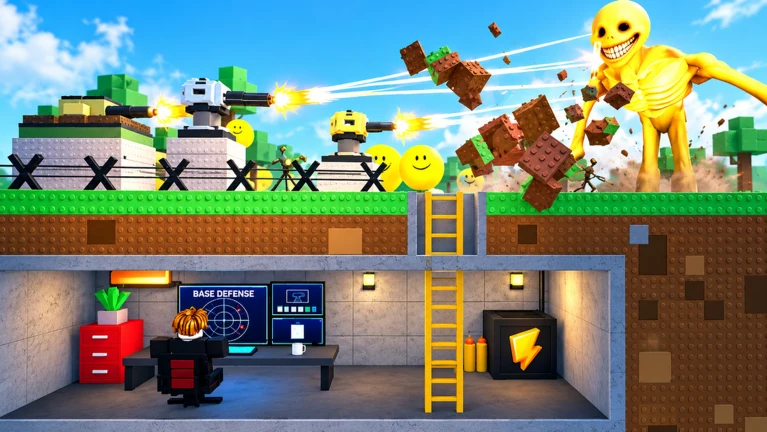
- Verity anomaly is the hostile force in Bunker vs Verity that attacks in escalating waves each night.
- Core counter: overlapping turret coverage at chokepoints beats raw damage from a single position.
- Best defense timing: reinforce walls and upgrade turrets between waves, not during breaches.
- Economy rule: keep a coin reserve for emergency repairs before every high-pressure wave.
- Team play: assign builder, gunner, and scout roles so no lane goes unwatched.
What Is the Verity Anomaly?
In Bunker vs Verity, the Verity anomaly is the collective name for the hostile entities that emerge in waves and attempt to breach your bunker. The game follows a day-night rhythm: daylight is for building, earning coins, and upgrading, while night brings Verity attacks that grow stronger with each successive wave. Surviving the anomaly is the central challenge, and every structural or economic decision you make during the day determines how well you hold the line after dark.
The anomaly is not a single enemy type. Waves mix faster threats that rush entrances, durable threats that absorb turret fire, and grouped pushes that arrive simultaneously from multiple lanes. Because of this variety, a defense built around one turret type or one firing lane will eventually fail.
| Wave Phase | Verity Behavior | Primary Threat | Recommended Focus |
|---|---|---|---|
| Early waves | Small groups, low durability | Slow trickle toward entrance | Basic structure, one core turret |
| Middle waves | Mixed speed and toughness | Simultaneous lane pressure | Wall upgrades, overlapping coverage |
| Late waves | Dense groups, durable units | Breach cascades on weak sections | Sustained damage, repair reserve |
| Between waves | Lull window | Player complacency | Inspect, repair, reassign roles |
Before adding any new turret, watch one full night and note which wall section takes the most damage. That section is where your next coin investment belongs — not wherever building feels most convenient.
Countering Verity Threat Types
Different Verity threats demand different responses. A crowd-control turret placed at a chokepoint handles grouped pushes, while single-target damage matters most when a durable Verity starts chewing through your walls. Match your defense to the threat pattern rather than copying a layout blindly.
Rushing Verities
- Fast approach speed
- Weak individually, dangerous in packs Counter with fast-attack early defenses and a monitored entrance
Durable Verities
- High structural damage
- Absorb sustained turret fire Counter with single-target damage turrets on a clear firing lane
Grouped Pushes
- Multiple lanes at once
- Overwhelm isolated defenses Counter with crowd-control placement at chokepoints and crossfire layouts
| Threat Type | Best Turret Role | Placement | Team Action |
|---|---|---|---|
| Rushing Verities | Fast-Attack Early Defense (B-tier) | Near entrance, short lane | Gunner watches the door |
| Durable Verities | Single-Target Damage (A-tier) | Long clear sightline | Focus fire, no chasing |
| Grouped Pushes | Crowd-Control Defense (A-tier) | Chokepoints | Scout calls the lane early |
| Mixed Late Waves | Balanced Core Defense (S-tier) | Main approach coverage | Repair while firing |
Leaving your defensive zone to pursue enemies creates openings at the entrance. Survival depends on maintaining the bunker while dealing with threats — hold your position, repair damaged sections, and shift attention only toward the weakest side of the structure.
Step-by-Step: Surviving an Anomaly Night
A successful night against the Verity anomaly follows a repeatable sequence. Treat each phase as a checklist rather than improvising under pressure.
Prepare During Daylight
Finish essential structure first. Check firing angles, clear movement paths, and confirm no turret is blocked by walls, objects, or teammates. Keep a coin reserve instead of spending your full balance before nightfall.
Confirm Team Positions
Every player should know their lane and role before the first Verity spawns. In co-op, assign builder, gunner, and scout responsibilities so nobody duplicates purchases or leaves a lane unwatched.
Hold the Defense Zone
During the wave, stay near the bunker. Concentrate fire on the most dangerous targets first — usually the durable Verities damaging walls — and let turrets handle the approaching groups.
Repair Under Pressure
Repair damaged wall sections the moment pressure shifts away from them. One player maintaining the defense while another repairs prevents small breaches from becoming run-ending failures.
Reinforce Before the Next Wave
Use the between-wave window to upgrade the most attacked sections, fix firing arcs, and split coins between immediate repairs and the next planned upgrade. Announce major purchases to avoid duplicate spending.
Enter every difficult wave with a coin reserve rather than relying on income earned during the attack. A repair fund kept between waves is consistently more valuable than a slightly stronger turret bought at the wrong moment.
Bunker Layouts That Beat the Anomaly
The strongest layout depends on team size and expected wave length. Every effective design shares four traits: a protected entrance, clear firing lanes, a safe interior movement route, and a fallback position for repairs.
| Build | Best For | Key Feature | Main Weakness |
|---|---|---|---|
| Compact Solo Bunker | Solo, early survival | Small room, controlled entrance | Blocked firing angles are costly |
| Cooperative Crossfire | 2+ players | Two overlapping firing directions | Crowding reduces visibility |
| Long-Wave Reinforced | Extended survival | Primary line plus fallback position | Expensive, slow to complete |
| Hidden-Defense Layout | Protecting turrets | Defenses behind strong structure | Cover can create blind spots |
Prioritize overlapping turret coverage instead of placing every defense in a single isolated location. Two turrets whose arcs cross at the entrance outperform two turrets watching separate, secondary lanes.
Night-Ready Checklist
Run through this checklist before every anomaly night. It takes under a minute and catches the failures that end most runs.
Before the Wave Begins:
- All wall sections closed with no exposed entrances
- Turret firing arcs clear of walls and teammates
- Coin reserve available for at least one emergency repair
- Team roles assigned: builder, gunner, scout
- Fallback position identified inside the bunker
FAQ
Q: What is the Verity anomaly in Bunker vs Verity?
The Verity anomaly refers to the hostile enemies that attack your bunker in escalating waves, primarily at night. Waves mix fast rushers, durable wall-breakers, and grouped pushes, so defense requirements change as a run progresses.
Q: What is the best turret against the Verity anomaly?
A balanced core defense (S-tier) is the strongest general-purpose choice because it delivers reliable damage and useful range across repeated waves. Add single-target damage for durable Verities and crowd-control coverage at chokepoints for grouped pushes.
Q: Should I repair walls or upgrade turrets during a wave?
Repair first. A breach ends a run faster than lacking extra damage. In co-op, have one player maintain the defense while another repairs, then spend the between-wave window on upgrades.
Q: How do I stop multiple Verities breaking through at once?
Use a crossfire layout with overlapping turret arcs at the entrance, have a scout call out the threatened lane early, and keep a coin reserve so the builder can reinforce the correct section before it fails.